PRF: blood-based treatment to speed healing after surgery
We have a standard at our practice to take as many measures as possible to reduce post-op pain. One of the major ways we accomplish this is through the use of a product called PRF — platelet rich fibrin. Its older cousin, PRP1, might enjoy some familiarity as a household name in cosmetic dermatology, most notably as a solution for thinning hair and facial rejuvenation (specifically the microneedling-based "vampire facial"). But in oral surgery, PRF has outshone it in the last couple of decades as a superior second-generation technique.
So, like, what even is it?
Blood contains the stuff that allows damaged tissue to heal, but by volume, around 95% of it is water and oxygen-carrying red blood cells. The rest is made of platelets, proteins, and white blood cells — key for clotting, healing signals, and immunity. When tissue is injured, bleeding brings all of the blood components to the site for healing to start. PRF is essentially a way to biohack that process: concentrate the most useful fraction of your own blood, then place it precisely where the repair needs to happen.
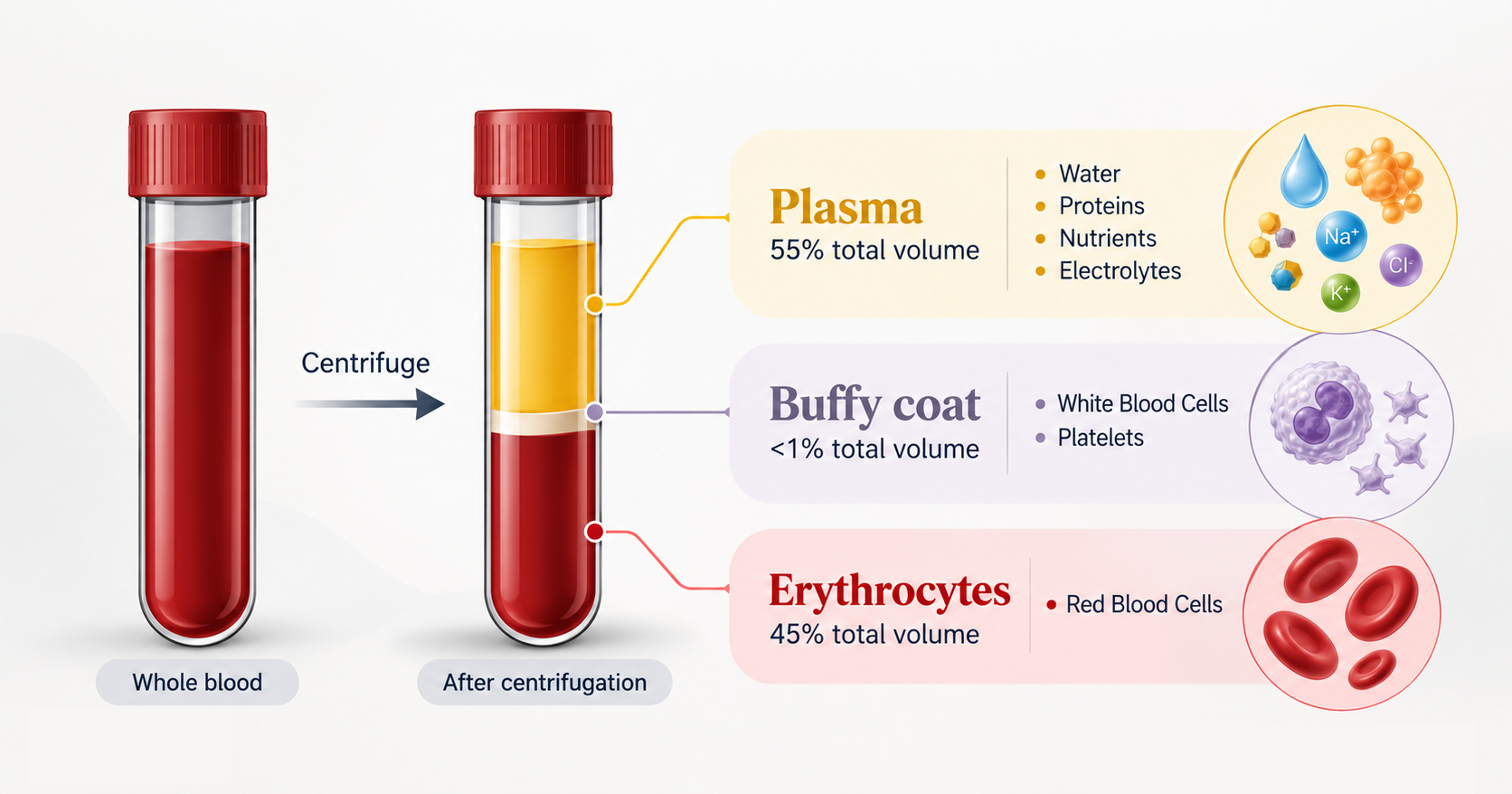
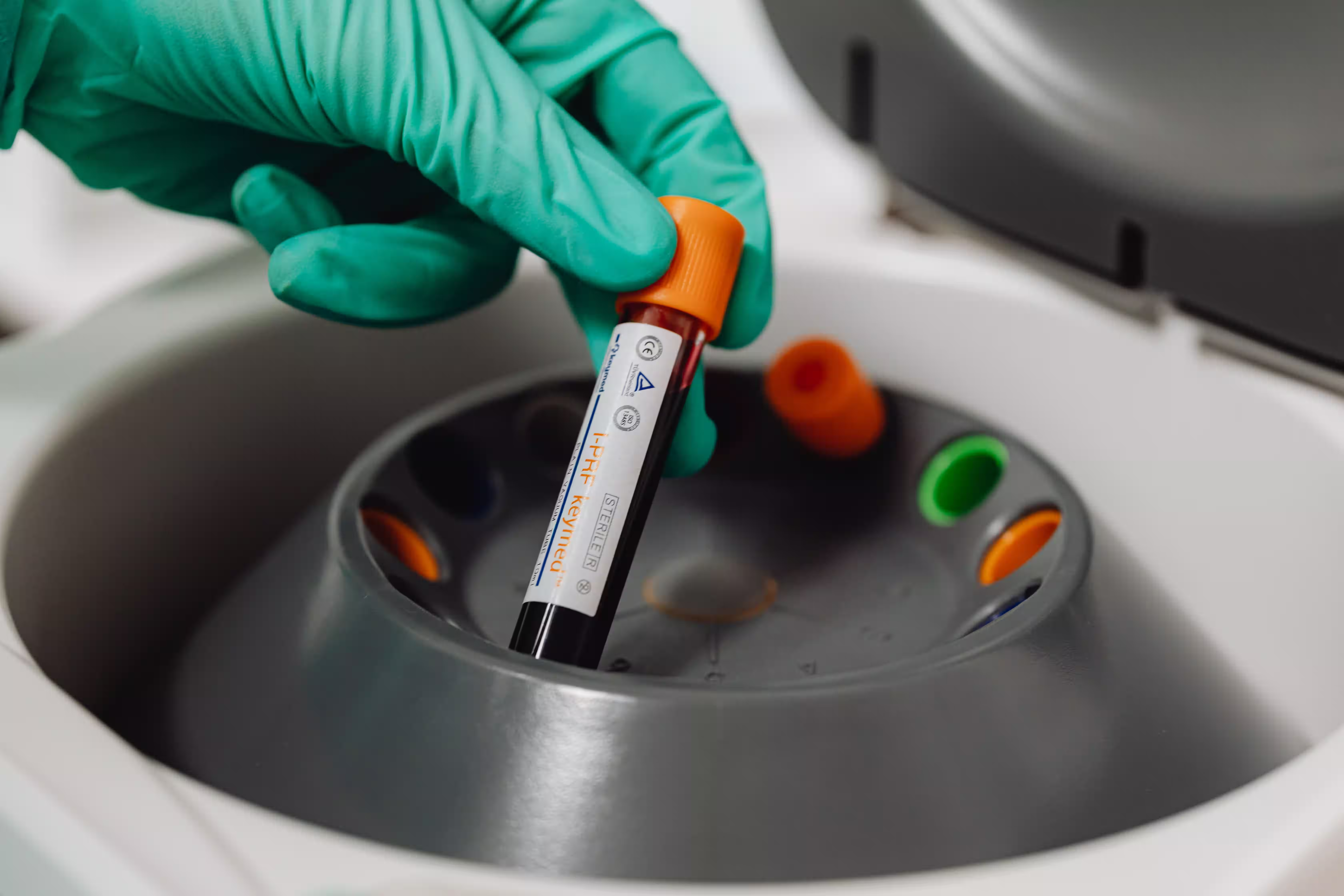
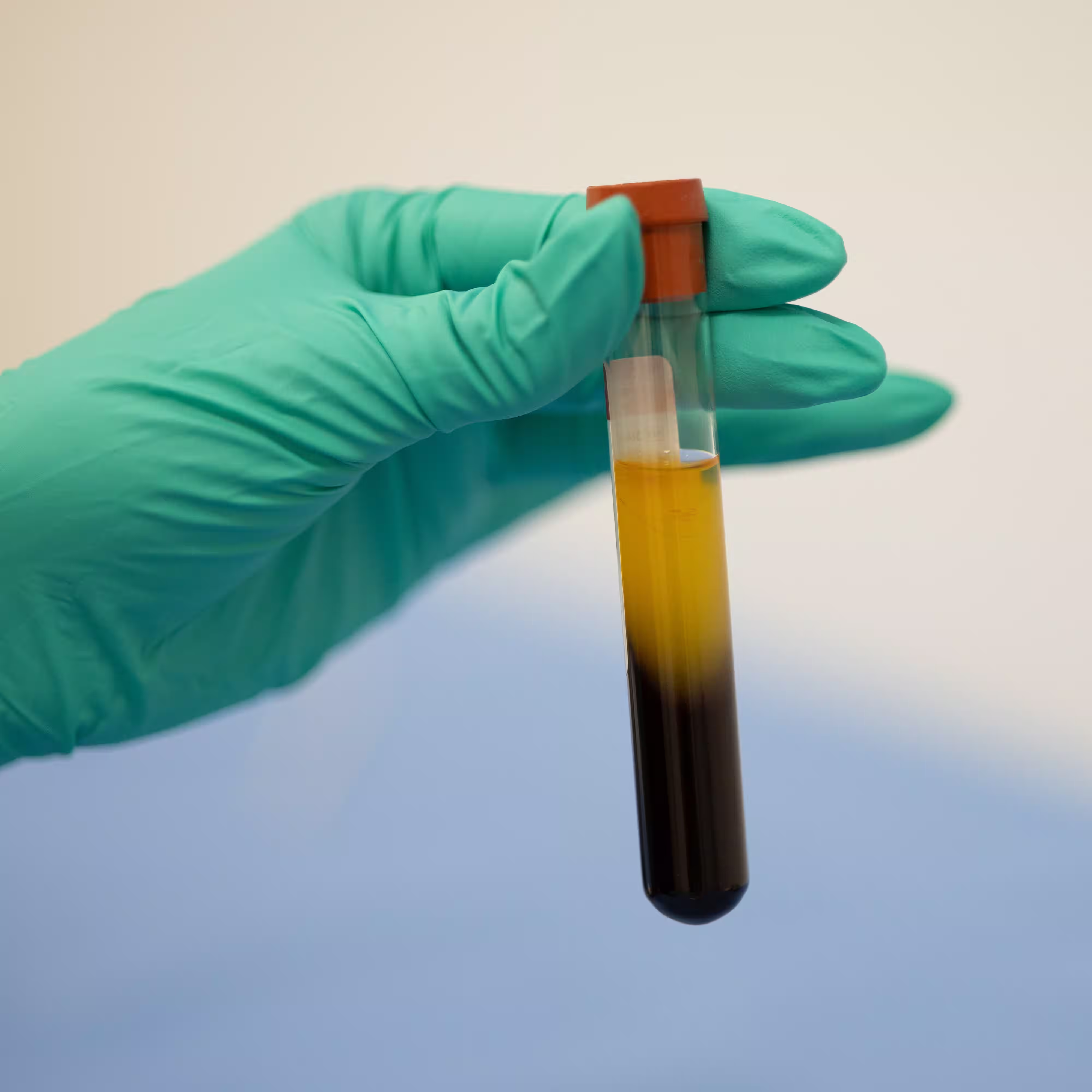
PRF is made through a technique that involves collecting a few vials of your blood just before surgery. These vials are then put through a quick whirl in a centrifuge, which allows us to create a dense clot made of fibrin, the protein in blood that acts like a sort of 'glue' to seal wounds. Embedded in this glue are platelets, white blood cells, and growth-promoting substances. Notably, nothing is added in the process, meaning PRF is a wholly patient-derived product.2 When placed directly into a surgical wound, PRF boosts the natural healing machinery.
But what does it do, exactly?
In its stable semisolid form, PRF is a great protective barrier dressing for exposed bone, delicate tissue, or implanted hardware. In liquid form, it's an effective injectable treatment for TMJ procedures and facial rejuvenation. And when specially heat-treated, it can be used to create a gel-like biological filler for short-term restoration of facial volume loss.
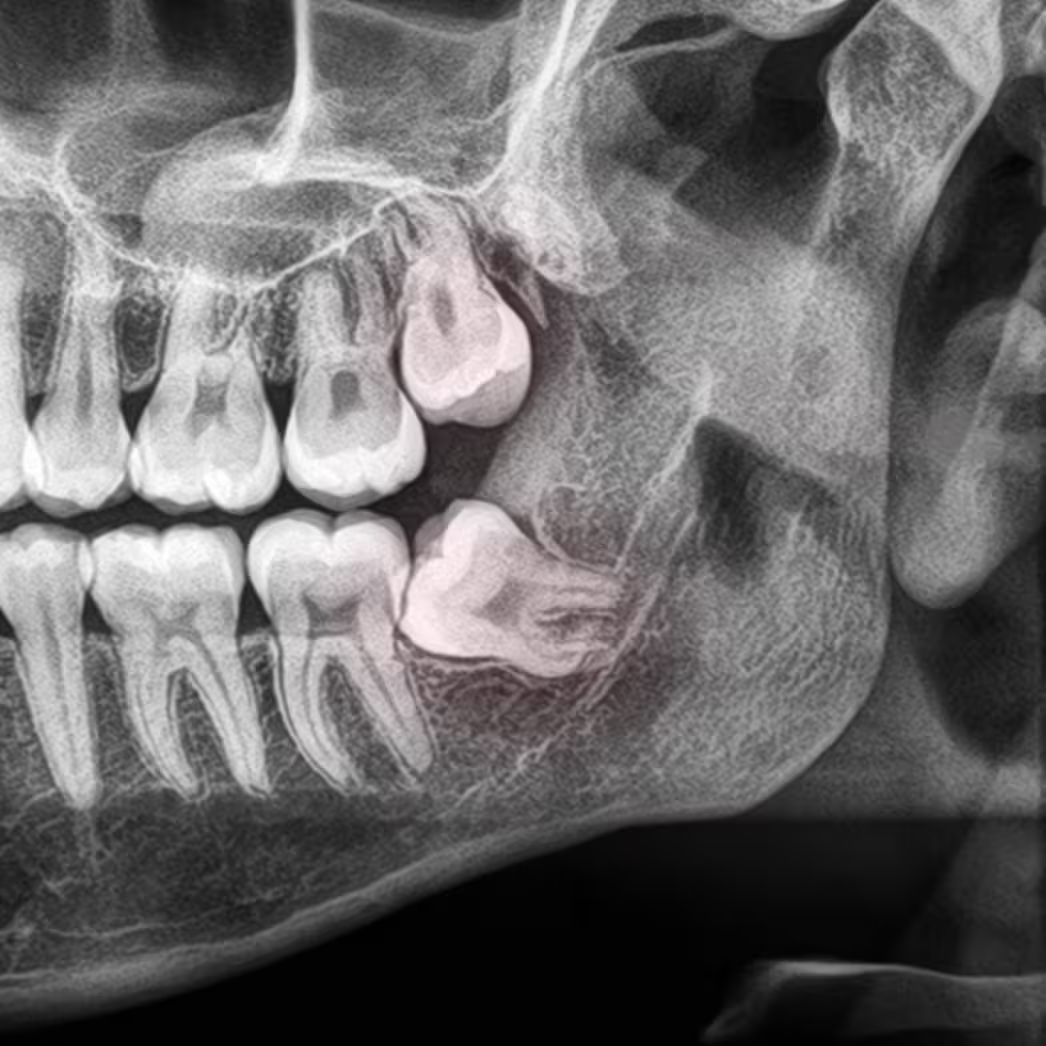
In this field, perhaps its most common application is for tooth extraction, as PRF is also a fantastic space-filler.
A bit of background context: In general surgical practice, voids between tissue layers (dead space) are best avoided, as they have a tendency to get infected. As fluid accumulates in this space, it creates what amounts to a nutrient soup for bacterial growth. But closing dead space isn't always possible in oral surgery, where voids are created in the jawbone when teeth are removed. By preemptively filling it instead with PRF, the dense fibrin matrix physically occupies the residual bony void that would otherwise fill with unstable clot or serosanguinous fluid.3 Meanwhile, it simultaneously delivers a rich concentrate of the cells and growth factors needed to heal.
All this has been shown (for instance, in 2026 and 2021) to be great for reducing pain and dry socket risk, possibly infection rates, as well as swelling and jaw stiffness after wisdom tooth extractions. In patients on blood thinners, it can also support post-op bleeding control.
So… maybe a miracle product?
Unfortunately, PRF often gets hyped as a solution for just about everything unpleasant associated with oral surgery, and that's just not the case.
The mechanism of action might tempt one to think of PRF as a panacea in surgery. After all, every wound heals with blood clotting being the first step. Since PRF is essentially a concentrate of clotted blood minus the water and red cells, it stands to reason that if we can jumpstart that process, then PRF should help with healing everything.
It turns out the positive effects of PRF seem to be rather front-loaded, and really only work well on things that happen early on in the injury-to-healing timeline. The reason for this is that PRF simply doesn't have much staying power. Standard PRF protocols create a product that resorbs within roughly two weeks. Once it's gone, the positive effects it brought about are too.
Pain and swelling are acute-phase outcomes, and most research shows PRF produces at least some benefit in minimizing them.
But something like bone formation (necessary for a socket to heal after extraction) is a much further downstream process, and concentrating the starting material doesn't necessarily guarantee a better result at the finish line. There is some mixed evidence as to whether or not PRF benefits bone healing, but a safe stance on the matter would be that PRF may limit bone loss after extraction, but it won't bring it back.
The same could be said for gum healing: total closure of soft tissue in the mouth is a process that takes a bit longer than PRF sticks around. Evidence for "faster healing" is limited, and even studies that suggest it might work for this will use hedging language like "may improve."
Okay, so is it worth it then?
Prior to opening Gantry OMS, I worked in a few different practices that offered PRF. It was always presented as an optional add-on (and not for cheap), but for the patients who went for it, their outcomes were markedly better in a significant portion of cases.
These days, I use PRF in almost all lower wisdom tooth surgeries, and anecdotally, I see fewer issues with open wounds and dry sockets at the one-week post-op visits. Patients, on the whole, seem to recover faster. But the idea of upselling it as a pricey elective supplement never sat right with me ("pay more and you'll feel less pain!"). We charge a nominal fee to cover materials, but don't do it to make money.
It's certainly not a cure-all. But if a few minutes and a tube of your own blood can mean less pain and a smoother week of healing, in my book that's reason enough to make it a standard.
—
1 That would be platelet-rich plasma instead of fibrin.
2 A caveat worth knowing about if an all-natural product is important to you: the "nothing added" claim is only strictly true when plain glass tubes are used; silica-coated plastic tubes will also produce a PRF clot, but introduce a chemical additive (the silica coating) that can shed particles into the clot. We only use uncoated tubes at our practice.
3 The thin, pinkish or blood-tinged fluid you'd typically see oozing from a healing wound.
Recent Posts

The ultimate post-surgery eating guide
PRF: blood-based treatment to speed healing after surgery