The ultimate post-surgery eating guide
One of the hardest things for patients after oral surgery is the whole eating thing. Food is one of life's greatest joys, and to lose that at a time when you feel generally crummy is a particularly cruel twist. But not eating after surgery out of fear of messing something up is how a lot of people mess up. Once surgery is done, the food on your plate is more than just comfort; it's literally the raw materials your body needs to get back to normal.
Healing is hard work. Behind the scenes, your body is running through several stages of repair — stopping bleeding, managing inflammation, building new tissue, and finally strengthening it. Every one of those stages runs on calories, protein, and vitamins, right at a time you least feel like eating. Skip enough meals and healing slows down while the odds of complications go up. And it's not just fear driving that. Between mouth pain and a jaw that won't open fully, getting food down can be frustrating, no matter how hungry you are.
What the body needs
A surgical wound needs a few key things to restore itself to baseline:
- Calories. Regenerating damaged tissue demands energy. When there's a decrease in the total amount of energy being consumed, the body will find it by breaking down muscle. Orthognathic and trauma patients in particular tend to suffer noticeable weight loss after surgery for this reason.
- Hydration. Water intake maintains blood volume, which is needed for the delivery of oxygen and nutrients to the wound. It also sustains saliva production, which not only protects the healing area in the mouth, but also makes it easier to take down other foods and meds.
- Macronutrients. Protein is the big one here, and it needs to be in every meal. But carbohydrates and fats matter too: protein builds tissue, carbs fuel the repair and spare protein from being burned for energy, and fats provide a denser energy source plus the raw material for new cell membranes. Aim to favor complex starchy carbs over simple sugars, as well as healthy fats like those found in fish and olive oil, avocados, or nut butters.
- Micronutrients. Most people who eat a varied diet do fine here, but shortfalls aren't rare, either. Dietary zinc (needed along with vitamin A for cell turnover and tissue repair) is lacking in up to 24% of people in some groups, and vitamin C (for building collagen, a key protein in tissue repair) runs low in smokers or anyone light on fruits and veggies. You don't need to megadose supplements, although some emerging evidence suggests that vitamin C supplementation reduces post-op pain and swelling. A colorful, whole-food diet during recovery does enough to keep these nutrients on board.
How to eat comfortably
Eating after oral surgery runs into two distinct problems, and different foods trigger each one:
- Direct trauma to the surgical wound. Sutures or not, a delicate incision line isn't going to stand up well to abrasive foods (chips, crackers, hard cookies). Foods that have small bits of anything — seeds, grains, etc. — are going to be a huge annoyance with any open space, like a tooth socket. On top of that, the sustained heat of soups or hot beverages can cause the delicate blood clot needed to start the healing process to fall apart or wash out. Fresh wounds are also going to be more sensitive to acidic or spicy food.
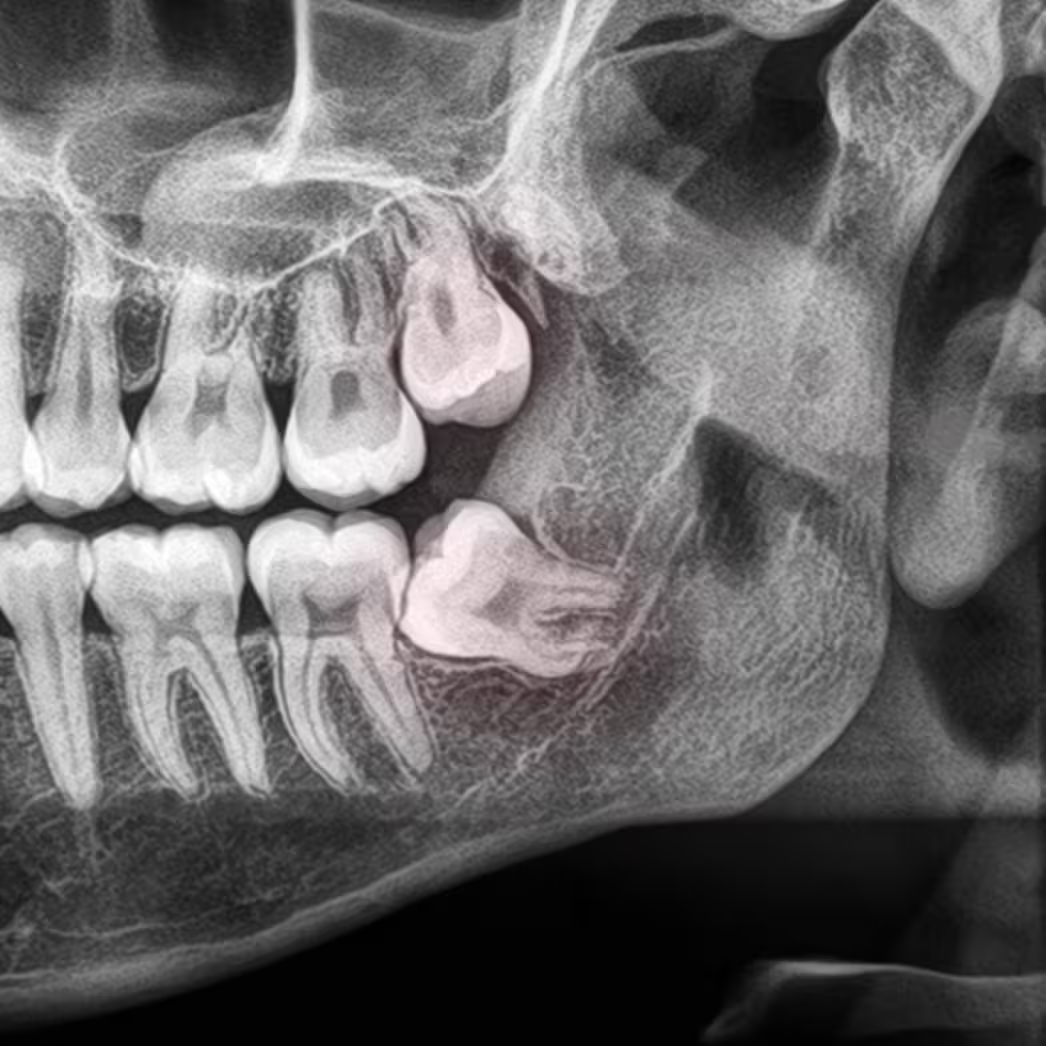
- Sore jaw muscles that prevent chewing. The muscles involved with chewing attach right at the areas of surgical access to many parts of the mouth, especially near wisdom teeth, so surgery can leave them swollen, irritated, or in spasm. This is one of the causes of trismus, or limited mouth opening, after surgery. Even if the inside of the mouth feels fine, tough foods (gristly meat and pizza crust are the usual examples) can aggravate those same muscles.
Some general ground rules to keep in mind:
- While the wound is fresh, a safe starting point is cool, blended, homogenous foods.
- Advancing to foods with more substance can take time, especially when mouth opening is tight. Go by your comfort level, not the calendar. Every surgery and patient is different.
- When you do eventually start chewing again, do so away from the surgical site(s) if you can. This may mean cutting food into small bites and chewing with your front teeth, so expect meals to take longer.
What you actually don't need to worry about
There are a few myths that a lot of patients will come pre-programmed with, usually from Reddit or a previous surgery experience. These are some of the old school 'rules' that got passed down over the years without any real validation:
- Straws: conventional wisdom taught that the suction from straws could dislodge the blood clot and cause a dry socket. Carbonated drinks, too. There's actually been no evidence to show either to be true. For the first day, avoiding straws is probably wise, as the immature clot is still mostly liquid and bleeds easily. But after the clot has stabilized, it takes a fairly significant amount of effort to disrupt it. A free-flowing liquid like water or juice is generally fine through a standard-diameter straw. (Thick milkshakes or boba might be pushing it.)
- Dairy: internet lore will claim active cultures in dairy (and fermented foods) can inoculate the wound and start an infection. There's no evidence for this, either. Lactic acid bacteria are not primary oral colonizers and aren't expected to establish a long-term residence in the mouth. If anything, they're protective, keeping the native flora in check, as at least one study has shown benefit from oral probiotic lozenges in healing after impacted tooth surgery.
- Caffeine: again, not a problem. Withdrawal headaches are substantively worse than any theoretical impediment to wound healing that the world's favorite drug would impose. In fact, it might even help with post-op swelling, so go ahead and enjoy that iced coffee!
- Alcohol: like a lot of things, "the dose makes the poison." Alcohol interferes with clotting, impairs wound healing, and drives up the risk for infection. Folklore cautions against mixing booze and antibiotics, but only metronidazole has (perhaps) been shown to be an issue, which isn't a drug we use often. However, drinking while taking Tylenol (acetaminophen) can be quite hard on the liver, and in combination with narcotic pain meds, the sedative effect can be deadly. Is a glass of wine the weekend after a minor surgery going to be a problem? For most patients without a heavy use history, probably not, but alcohol is the one on this list that does have some real merit to skipping.
Suggested foods to eat
Everyone assumes a full liquid diet after oral surgery, but there's actually a lot of room for more palatable options. If you're one to prepare ahead of time (and culinarily-inclined), meal-prepping before surgery will set you up nicely for the week to follow. Just remember to watch the temperature when digging in on that first day. These are some of my favorite recommendations:
- Savory, protein-forward: soft fish like tilapia or cod is probably the only meat that works well early in the recovery phase. But blending cottage cheese into soups (like butternut squash or tomato bisque) instantly boosts protein content and helps to smoothen the texture. It also works great with eggs (say, scrambled or in a frittata), or blended into dips like hummus, guacamole, or refried beans (with soft bread for dipping). For a vegan alternative, go with silken tofu.
- Comfort/carb-heavy: overcooked pasta (mac & cheese, perhaps?), mashed potatoes, polenta, oatmeal, or risotto.
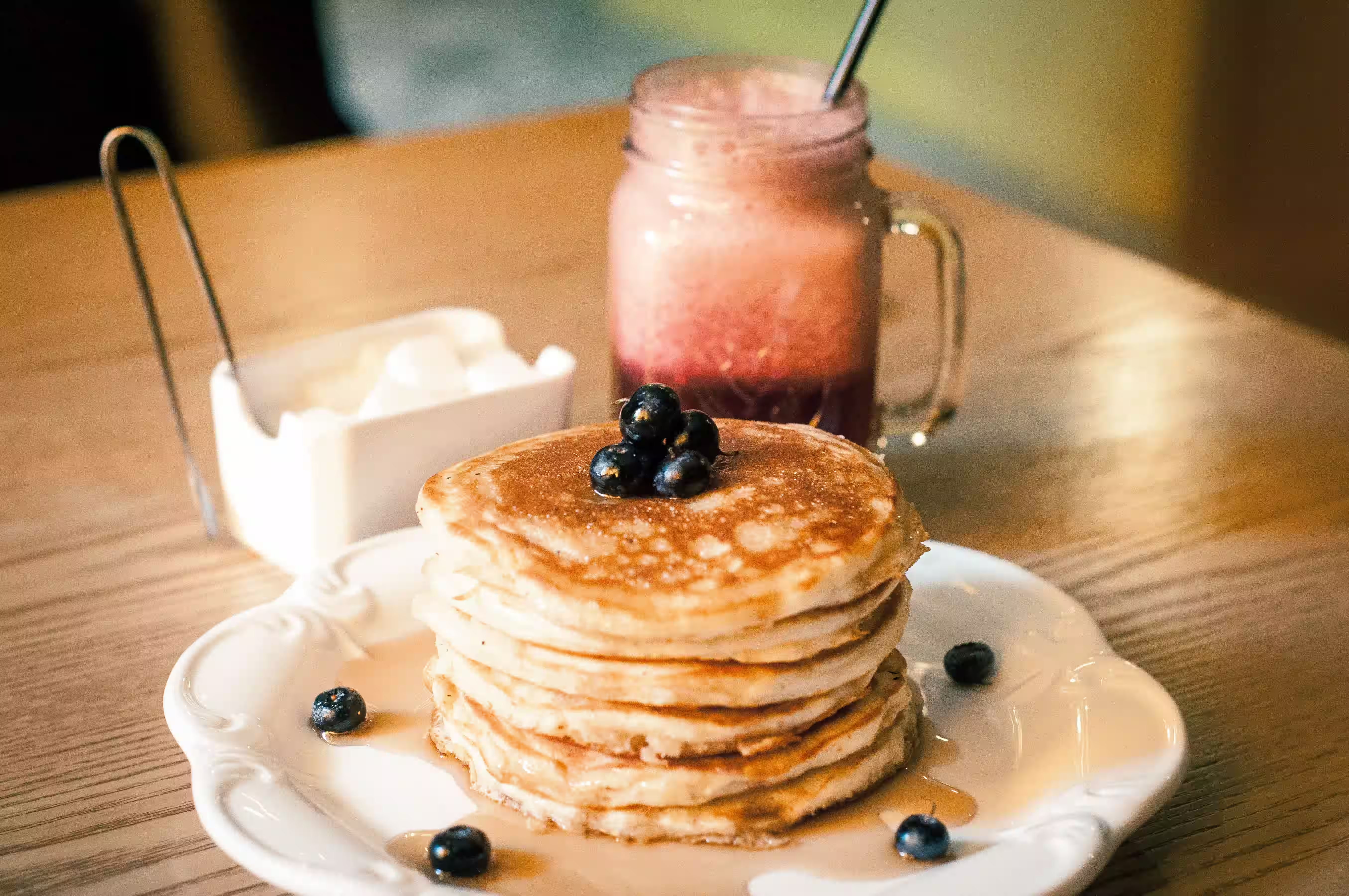
- Dairy/sweet: Greek yogurt with pureed fruit (ideally without seeds, so maybe cherries, mango, or pineapple), pancakes with maple syrup, panna cotta, custards, or puddings. Applesauce is a staple post-op food. Bananas are excellent frozen and blended to make single-ingredient 'ice cream' — but you could also just do actual ice cream.
- Veggies: smoothies will be your best bet, assuming your blender is powerful enough to obliterate any small bits. Spinach blends easiest and can be added to nearly any smoothie without much of a taste change. Same for avocado, though it works just as well in whole form, too. Sweet potatoes and overcooked carrots are especially good for that vitamin A.
- Convenience: if you're not feeling inspired to cook, drinkable meal replacement shakes like Huel, Soylent, or Ka'Chava are good choices to get your macros (and micros) in for the day.
Recovery asks more of your body than most people realize. Feed it well, and advance your diet as soon as you're able. You'll be back to your regular routine before long!
Recent Posts
The ultimate post-surgery eating guide
PRF: blood-based treatment to speed healing after surgery